Bale Grazing: A Sustainable Winter Feeding Solution for Livestock
Introduction
As winter blankets the landscape, farmers face the critical challenge of maintaining livestock nutrition. Bale grazing has emerged as a popular, sustainable solution to this hurdle. This practice not only ensures animal well-being but also promotes environmental health by naturally distributing manure. This article explores the mechanics of bale grazing, its core benefits, and why it is becoming a preferred method for winter feeding.
Understanding Bale Grazing
Bale grazing involves strategically placing hay bales across a field where livestock can graze freely during the winter months. Instead of confining animals to a barn or feeding them in a specific area, bale grazing allows for a more natural and ecologically sound approach to winter feeding.
Key Components of Bale Grazing
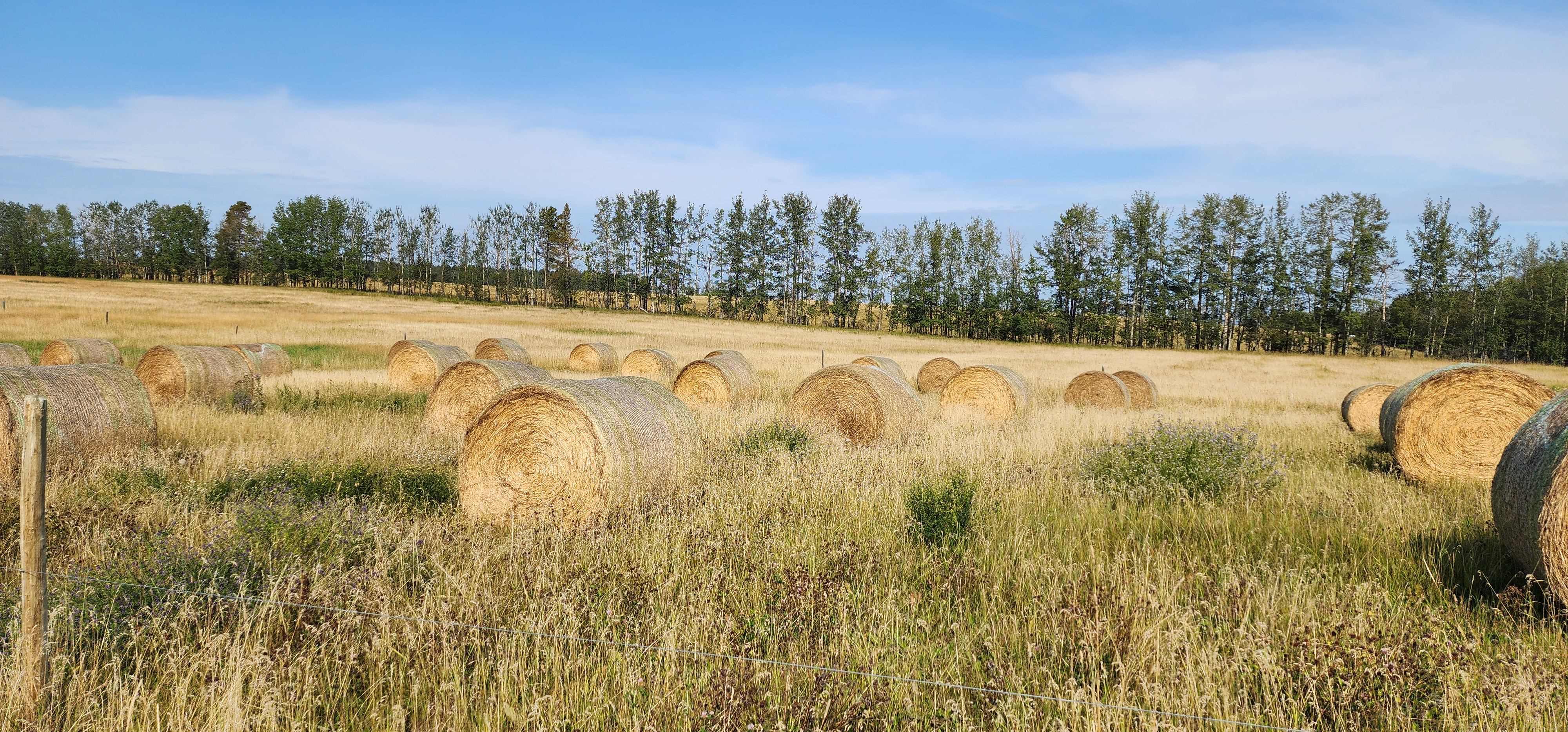
IMAGE: Placement of bales during bale grazing
Strategic Bale Placement: Hay bales are strategically distributed across the grazing area, ensuring that the animals have easy access to feed. The spacing and arrangement of bales encourage even foraging and prevent overgrazing in specific areas.
Strategic Bale Placement: Hay bales are strategically distributed across the grazing area, ensuring that the animals have easy access to feed. The spacing and arrangement of bales encourage even foraging and prevent overgrazing in specific areas.
Environmental Benefits: Bale grazing promotes better nutrient distribution across the field as the animals move from one bale to another. This helps in mitigating soil compaction issues often associated with traditional winter feeding methods. Additionally, the trampling of hay residue by the animals acts as a natural fertilizer, enhancing soil fertility and promoting healthier pastures come spring.
Reduced Labor and Equipment Costs: Compared to the labor-intensive process of feeding hay in barns or using heavy machinery, bale grazing requires less manual labor and equipment. Farmers save time and resources, contributing to overall cost-effectiveness.
Animal Welfare: Livestock benefit from a more natural and stress-free environment. They have the freedom to move, graze, and exhibit natural behaviors, leading to healthier and happier animals. The practice also reduces the risk of respiratory issues associated with confined feeding in barns.
Benefits of Bale Grazing
Improved Soil Health: The trampling of hay residue by the animals helps break down organic matter and enhances nutrient cycling in the soil. This contributes to improved soil structure and fertility over time.
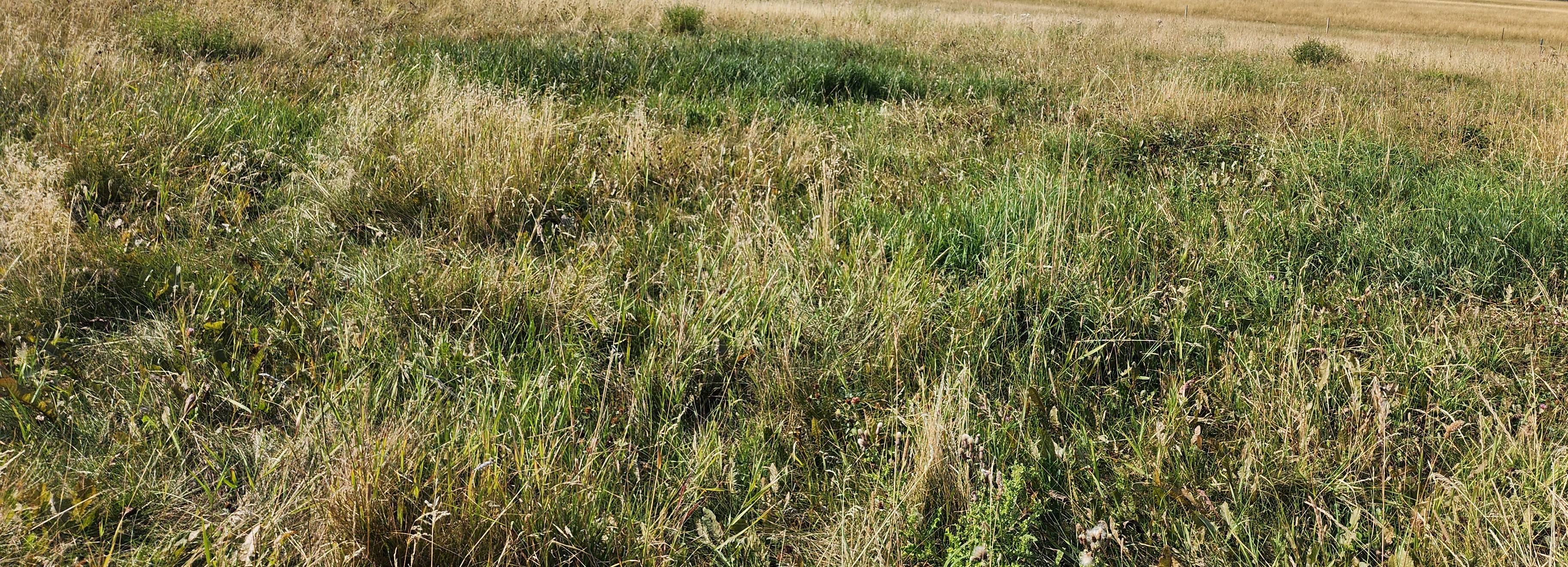
IMAGE: Benefits of bale grazing. Notice sites where bales were placed have better growth in subsequent seasons.
Cost Savings: Bale grazing reduces the need for expensive equipment and labor associated with traditional winter feeding methods. The natural fertilization from trampled hay reduces the need for additional chemical inputs.
Environmental Stewardship: By adopting bale grazing, farmers contribute to sustainable land management practices. The method minimizes environmental impact, reduces runoff, and promotes a healthier ecosystem.
Increased Forage Utilization: Livestock tend to waste less hay in a bale grazing system, leading to higher forage utilization. This is particularly beneficial in regions where hay is a valuable and limited resource.
Summary
Bale grazing is emerging as a sustainable and efficient method for winter feeding, offering benefits to both farmers and the environment. As the agricultural community continues to explore innovative practices, bale grazing stands out as a model that aligns with principles of environmental stewardship, animal welfare, and economic viability. Adopting such practices not only ensures the health and well-being of livestock but also contributes to a more resilient and sustainable agricultural landscape.