Bale Grazing: A Practical Guide to Winter Feeding and Soil Improvement
Winter feeding is one of the largest annual expenses for many livestock producers. Fuel, equipment operation, labour, manure handling, and feed losses can significantly increase production costs. Bale grazing offers an alternative approach that allows livestock to harvest their own feed while naturally fertilizing the pasture.
Instead of transporting feed to a central feeding area every day, producers strategically place hay bales throughout a pasture before winter. Temporary fencing is then used to control animal access to a limited number of bales at a time. As livestock consume the hay, manure, urine, and leftover plant material are distributed across the field, improving soil health and reducing the need for mechanical manure spreading.
What is Bale Grazing?
Bale grazing is a winter feeding system where hay or forage bales are placed directly in the pasture before snowfall or difficult weather conditions arrive. Livestock remain on pasture during the winter and are given controlled access to the bales over time.
Most producers use electric fencing to expose only a few bales every several days. This encourages efficient feed utilization while minimizing waste and preventing animals from trampling excessive amounts of hay.
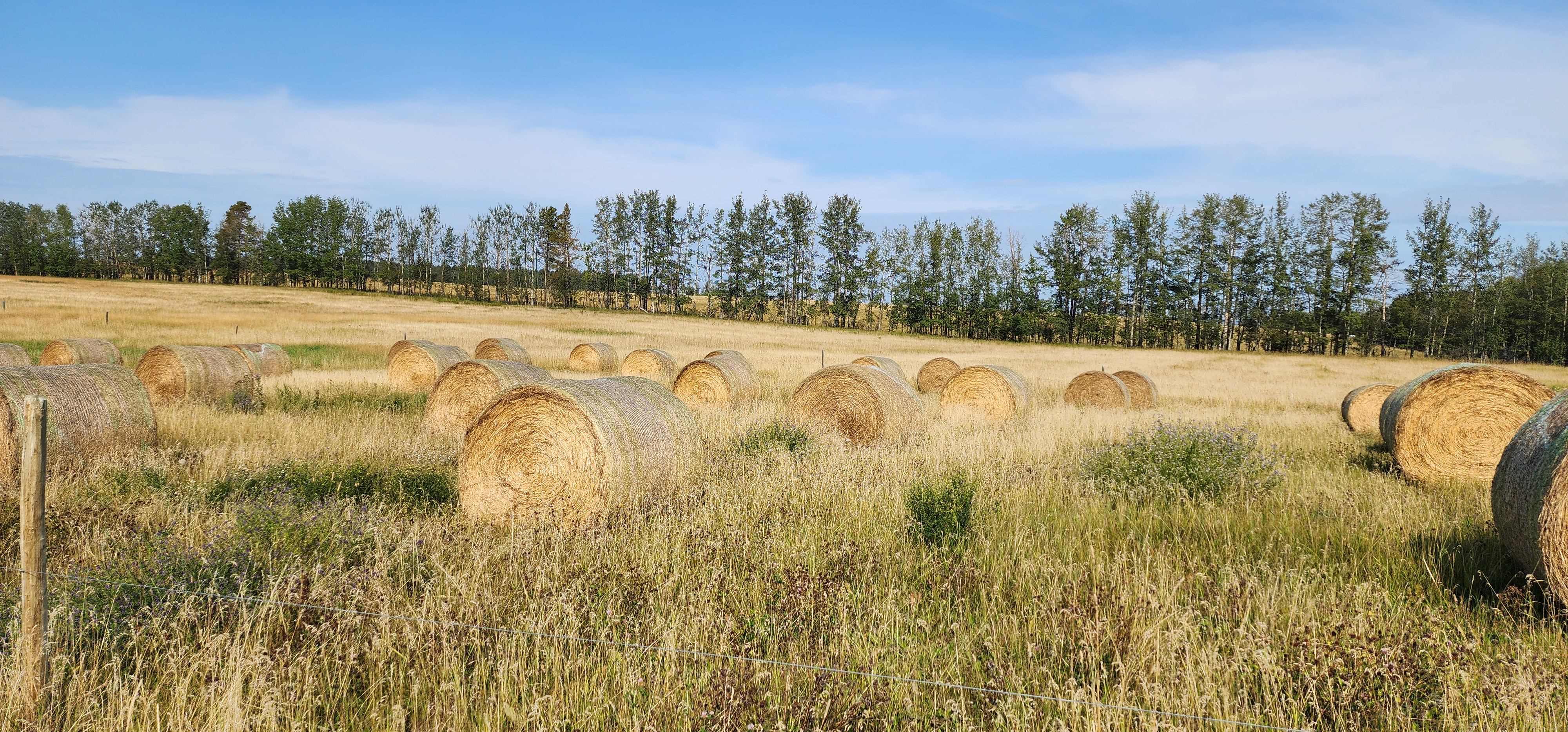
Strategically placing hay bales before winter helps distribute nutrients more evenly across the pasture.
Planning a Successful Bale Grazing System
Good planning is essential for successful bale grazing. Decisions made before winter often determine how well the system performs.
Choose the Right Field
- Select well-drained fields whenever possible.
- Avoid areas prone to flooding or excessive mud.
- Consider fields that would benefit from additional nutrients.
- Ensure livestock have reliable access to clean drinking water.
- Provide adequate shelter from severe winter weather.
Place Bales Before Winter
- Move bales into position while the ground is dry or frozen.
- Space bales evenly to promote uniform manure distribution.
- Leave sufficient room for livestock to move comfortably.
- Position bales where equipment can easily access them before snowfall.
Managing Animal Access
Most successful bale grazing systems rely on controlled grazing rather than giving animals unrestricted access to every bale.
Temporary electric fencing allows producers to expose only enough feed for several days at a time. This approach helps:
- Reduce feed waste.
- Improve forage utilization.
- Encourage more even manure distribution.
- Prevent dominant animals from monopolizing feed.
- Maintain cleaner feeding areas.
Benefits for Soil Health
One of the greatest advantages of bale grazing is the improvement of soil health. Unlike feeding in one permanent location, nutrients are naturally spread throughout the pasture.
As livestock eat the hay, manure and urine are deposited directly onto the soil. Small amounts of wasted hay are incorporated into the soil surface through trampling, increasing organic matter and improving moisture retention.
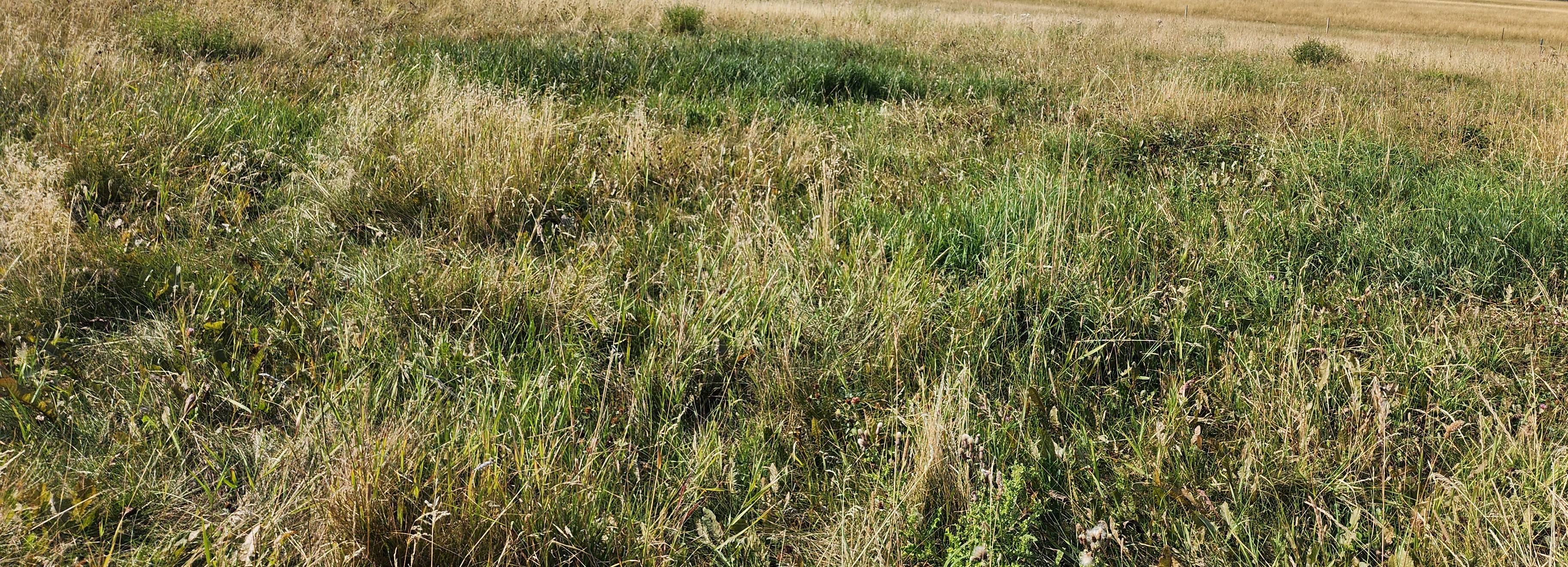
Areas where bales were previously placed often show improved forage growth during subsequent growing seasons.
Potential long-term benefits include:
- Improved soil organic matter.
- Better nutrient cycling.
- Increased microbial activity.
- Greater water infiltration.
- Improved pasture productivity.
Economic Benefits
Bale grazing can significantly reduce winter feeding costs by lowering labour requirements and reducing machinery use.
Reduced Costs
- Less daily tractor use.
- Lower fuel consumption.
- Reduced machinery wear.
- Less manure hauling.
- Lower labour requirements.
Additional Savings
- Reduced fertilizer requirements.
- Improved pasture production.
- Better nutrient recycling.
- Potentially lower bedding costs.
- Improved overall farm efficiency.
Benefits for Animal Welfare
Livestock generally adapt well to bale grazing when they have access to adequate nutrition, water, shelter, and protection from extreme weather.
Compared with confinement feeding, animals can:
- Move more freely.
- Express natural grazing behaviour.
- Experience reduced stress.
- Benefit from improved air quality.
- Remain cleaner and drier under suitable field conditions.
Common Mistakes to Avoid
- Placing bales too close together.
- Selecting poorly drained fields.
- Providing unrestricted access to all bales.
- Ignoring winter water requirements.
- Failing to monitor body condition during severe weather.
- Allowing excessive mud to develop during thaw periods.
- Using poor-quality hay without testing its nutritional value.
Is Bale Grazing Right for Your Farm?
Bale grazing works particularly well for beef cattle and can also be adapted for sheep and other grazing livestock. The system is most successful where producers have suitable pasture, reliable fencing, good winter access, and a management plan that balances animal nutrition with soil improvement.
Not every farm is suited to bale grazing. Producers should evaluate field conditions, winter climate, labour availability, and feed quality before adopting the practice.
Key Takeaways
- ✔ Bale grazing can reduce winter feeding costs.
- ✔ Nutrients are naturally distributed across the pasture.
- ✔ Soil health and pasture productivity often improve over time.
- ✔ Proper planning is essential for success.
- ✔ Controlled access using temporary fencing minimizes feed waste.
- ✔ Good animal management remains essential throughout the winter.